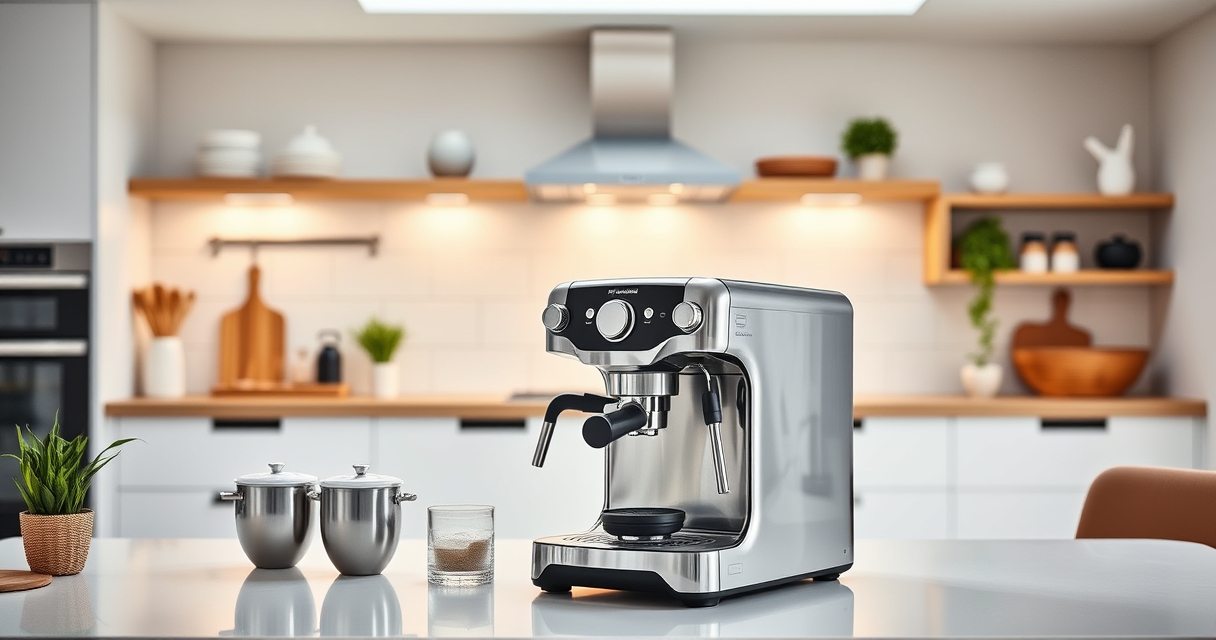
If your De’Longhi Magnifica Evo Next Fully Automatic Espresso Machine is leaking water, it can be frustrating and disrupt your daily coffee routine. Water leaks can originate from various issues, ranging from simple blockages to more complex internal problems. Addressing the problem promptly ensures your machine stays in top condition and continues brewing delicious coffee.

Get kitchen gear delivered free with Prime
- Fast, free delivery on millions of items
- Prime Video, Amazon Music and more included
- Member-only deals all year
In this guide, we’ll walk you through the most common causes of water leaks and provide clear, safe, step-by-step instructions to diagnose and fix the issue yourself. Regular maintenance and proper handling can prevent leaks and extend your machine’s lifespan.
Key Takeaways
| Common Causes | Leaks often stem from blockages, worn seals, or mineral buildup. |
| DIY Fixes | Most issues can be resolved with simple cleaning, inspecting, and replacing parts. |
| Preventative Tips | Regular descaling and filter replacement help prevent leaks. |
| Warning | Always unplug your machine before performing any maintenance or repairs. |
Identify the Source of the Leak
Before attempting any fixes, pinpoint where the water is leaking from. Common areas include the water reservoir, the brew head, or internal components. Look for water pooling around the base, dripping from the spout, or moisture inside the drip tray. Carefully inspect the water reservoir for cracks or loose fitting. Check the area around the brew head and the internal tubing for signs of wear or blockage. Accurate diagnosis saves time and prevents unnecessary repairs.
Check and Clean the Water Reservoir and Filter
- Turn off and unplug the machine for safety.
- Remove the water reservoir and inspect for cracks or warping. Clean it thoroughly with warm, soapy water, and rinse well.
- Check the water filter (if installed) for buildup or clogging. Replace it with a new De’Longhi Replacement Water Filter if needed.
- Reinstall the reservoir securely, ensuring it clicks into place.
- Fill with fresh, filtered water and run a test brew to see if the leak persists.
Inspect and Replace Worn Seals and Gaskets
Leaking can be caused by deteriorated seals or gaskets, especially around the brew head or water inlet. Carefully open the machine’s panels following the manufacturer’s instructions. Examine all seals for cracks, tears, or hardening. Replace any damaged seals with genuine parts to ensure a tight, leak-proof fit. Properly seating gaskets during reassembly is crucial to prevent future leaks.
Descale Your Machine Regularly
Mineral deposits from hard water can cause internal blockages and pressure issues, leading to leaks. Use a descaling solution such as De’Longhi EcoDecalk or EcoDecalk Descaler, following the instructions on the package. Regular descaling (every 2-3 months or as recommended) maintains optimal water flow and prevents buildup that could cause leaks or damage internal components.
Check Internal Tubing and Valves for Blockages
Internal hoses and valves can become clogged or damaged over time. Carefully inspect the tubing connected to the water inlet and brew head. Look for kinks or cracks. If you notice blockages, flush the lines with water or descaling solution. Replace any damaged hoses with compatible parts, ensuring a secure fit. This step can resolve leaks caused by internal pressure buildup or blockages.
Seek Professional Repair if Needed
If after these steps the leak persists, or if internal components seem damaged or inaccessible, it’s best to consult a professional technician. Attempting complex repairs without proper tools or experience can cause further damage and void warranties. Contact De’Longhi customer support or authorized service centers for assistance.
The Products in This Guide
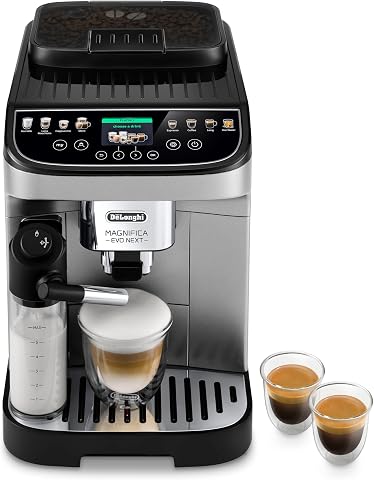
De’Longhi Magnifica Evo Next Fully Automatic Espresso Ma
- ✔ Voltage: 120V
- ✔ Warranty: 1 year
- ✔ Certifications: ETL Listed

De’Longhi Replacement Water Filter
- ✔ Flow Rate: 0.5 GPM
- ✔ Filter Type: Carbon block
- ✔ Replacement Indicator: Yes
De’Longhi Magnifica Evo Next Fully Automatic Espresso Ma
The De’Longhi Magnifica Evo Next Fully Automatic Espresso Machine is a versatile and reliable coffee maker, but like any appliance, it can develop leaks. Regular maintenance, proper cleaning, and timely part replacements keep it functioning optimally. This guide helps you troubleshoot and resolve leaks safely and effectively.
Pros:
- Comprehensive troubleshooting steps
- Encourages routine maintenance
- Detailed inspection guidance
- Supports DIY repairs
Cons:
- Requires careful handling
- Some parts may need professional replacement
- Internal repairs can be complex
Best for: Home baristas and busy coffee lovers wanting to maintain their machine
Not ideal for: Users uncomfortable with DIY repairs or internal disassembly
Bottom line: Regular maintenance and careful inspection prevent water leaks and ensure optimal performance.
De’Longhi Replacement Water Filter
Using a water filter like the De’Longhi Replacement Water Filter can significantly reduce mineral buildup and protect your machine from leaks caused by lime scale. It also improves coffee flavor and machine longevity.
Pros:
- Improves water quality
- Reduces lime scale buildup
- Easy to install
- Enhances machine performance
Cons:
- Requires regular replacement
- Additional cost
- Not a fix for existing leaks
Best for: Maintaining water quality and preventing future leaks
Not ideal for: For users looking for a temporary fix for existing leaks
Bottom line: Replacing the water filter regularly keeps your machine running smoothly and prevents leaks.
Frequently Asked Questions
Why is my De’Longhi espresso machine leaking water from the bottom?
Leakage from the bottom often indicates a cracked reservoir, worn seals, or internal blockages. Inspect the water reservoir for cracks, check seals, and ensure internal tubing is clear.
Can mineral buildup cause water leaks?
Yes, mineral deposits from hard water can cause internal blockages and pressure buildup, leading to leaks. Regular descaling helps prevent this issue.
Is it safe to fix internal leaks myself?
If you are comfortable with basic appliance maintenance, many internal issues can be fixed by inspecting seals, cleaning, and replacing worn parts. Otherwise, consult a professional to avoid damage.
How often should I descale my espresso machine?
Descale your machine every 2-3 months or as recommended in the user manual, especially if you use hard water frequently.
What should I do if replacing seals doesn’t stop the leak?
If seals are intact and leaks persist, internal components like valves or tubing may be damaged. Professional repair or replacement might be necessary.
Keep Your Coffee Brew Reliable and Leak-Free
Regular maintenance, including descaling and inspecting seals, can prevent most water leaks in your De’Longhi espresso machine. Promptly addressing issues by following these troubleshooting steps will ensure your machine continues to brew delicious coffee without interruptions. When in doubt, professional repairs can save time and prevent further damage, keeping your coffee experience top-notch for years to come.
Affiliate disclosure: As an Amazon Associate we earn from qualifying purchases. Prices and availability are accurate as of the time of publishing.
Fall Picks
fall essentials
As an affiliate, we earn on qualifying purchases.