Many people miss that maintaining the right water balance prevents both scaling and corrosion. When mineral levels and pH fluctuate, minerals can crystallize as scale or cause metal to corrode. Hard water with high minerals promotes buildup, while low pH speeds up deterioration. By actively controlling mineral content and stabilizing pH, you can protect your equipment and save money in the long run. Keep exploring how proper water chemistry keeps your system running smoothly.
Key Takeaways
- Both scaling and corrosion result from imbalanced water chemistry, especially pH and mineral levels.
- pH fluctuations can simultaneously promote mineral deposit buildup and metal deterioration.
- Proper water treatment maintains a stable pH and mineral content, preventing both issues.
- Neglecting water chemistry control leads to compounded system damage over time.
- Continuous monitoring and balanced treatment are essential to avoid the most common water balance mistakes.

Have you ever wondered what causes problems in your plumbing or industrial equipment? It often comes down to the water’s chemistry, specifically mineral precipitation and pH fluctuations. These issues are common but frequently misunderstood, leading many to overlook the importance of maintaining a balanced water environment. When mineral precipitation occurs, minerals like calcium and magnesium settle out of the water, forming solid deposits on pipes and equipment surfaces. This buildup, known as scaling, not only reduces efficiency but can cause blockages and damage over time. Meanwhile, pH fluctuations can accelerate corrosion, where metal components deteriorate due to chemical reactions with acidic or alkaline water. Both phenomena stem from imbalances in water chemistry, yet they often get treated as separate problems instead of parts of a larger water management challenge.
Understanding mineral precipitation begins with recognizing how water interacts with dissolved minerals. When water becomes supersaturated with calcium or magnesium, these minerals start to crystallize out of solution and form deposits. This process is especially prevalent in areas with hard water, which contains high mineral content. As the deposits grow, they create an insulating layer on heat exchangers, pipes, and boilers, reducing heat transfer efficiency and increasing energy costs. You might notice reduced water flow or increased maintenance needs, but many people don’t connect these symptoms to mineral buildup. The key is to keep mineral levels in check by controlling water chemistry before precipitation becomes a problem. Proper water treatment methods can help maintain this balance effectively.
PH fluctuations play an equally critical role. When pH levels drop and water becomes more acidic, it can corrode metal surfaces, leading to leaks, equipment failure, and contamination of the water supply. Conversely, overly alkaline water can cause scaling to occur more rapidly, as it encourages mineral deposits to form. Maintaining a stable pH within an ideal range—usually around 7 to 8—is essential to prevent both scaling and corrosion. Fluctuations happen due to various factors like chemical imbalances, contamination, or changes in water source conditions. If you neglect pH control, you risk a cycle where corrosion weakens your system, creating holes and leaks, while scaling reduces flow and efficiency.
Ultimately, the water balance that most people miss involves managing both mineral levels and pH stability. Proper water treatment involves continuous monitoring and adjusting chemical parameters to prevent mineral precipitation and pH swings. By understanding how these factors interact, you can avoid costly repairs, extend the lifespan of your equipment, and ensure your water systems operate smoothly. Ignoring these aspects might seem minor at first, but over time, the consequences of neglecting water chemistry can be severe. The key is to stay vigilant, use appropriate treatment methods, and maintain a balanced water environment to keep your plumbing and industrial equipment running efficiently and reliably.
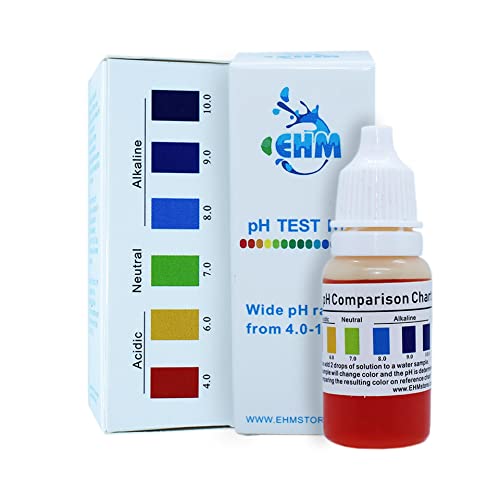
Alkaline Water (ph Test Kit) for Drinking Water Measures pH Level of Water More Accurately Than Test Strips pH Starter Kit Drops Easy to Use
- pH Range: 4.0 to 10.0
- Ease of Use: Squeeze bottle design
- Made in USA: All parts and ingredients
As an affiliate, we earn on qualifying purchases.
As an affiliate, we earn on qualifying purchases.
Frequently Asked Questions
How Can I Tell if My Water Is Causing Scaling or Corrosion?
You can tell if your water is causing scaling or corrosion by checking its water chemistry and pH balance. If your water has high mineral content and a pH above 7, it’s likely causing scaling. Conversely, low pH levels, below 7, suggest corrosion issues. Regular testing with a water test kit helps you monitor these factors, so you can adjust treatment to prevent damage and maintain the right water balance.
What Are the Long-Term Effects of Untreated Scaling and Corrosion?
If you leave scaling and corrosion untreated, you risk serious environmental impacts like water contamination and structural damage. Economically, you’ll face higher maintenance costs, equipment failures, and potential replacements. Over time, corrosion can weaken pipes, causing leaks or bursts, while scaling reduces efficiency, increasing energy use. These issues not only harm your property but also contribute to environmental degradation and inflate your expenses, making proactive water treatment essential.
Can Water Treatment Prevent Both Scaling and Corrosion Simultaneously?
Imagine a secret weapon that shields your pipes from trouble—water treatment can indeed prevent both scaling and corrosion when you carefully manage water chemistry. By implementing proper treatment strategies, you control mineral levels and pH balance, reducing the risk of buildup and deterioration. This proactive approach keeps your system healthy, ensuring longevity and efficiency, all while you enjoy peace of mind knowing your water quality is under control.
Are There Specific Industries More Prone to Scaling or Corrosion Issues?
You’ll find industrial equipment more prone to scaling due to high mineral concentrations, while residential plumbing often faces corrosion from aggressive water chemistry. Industries like power plants, manufacturing, and desalination are especially vulnerable to scaling issues, which can clog systems and reduce efficiency. Conversely, homes with poorly maintained pipes or acidic water are more susceptible to corrosion, leading to leaks and pipe failures. Proper water treatment helps mitigate both problems effectively.
What Are the Latest Technologies for Monitoring Water Balance?
You can now leverage IoT sensors and predictive analytics to monitor your water balance effectively. IoT sensors provide real-time data on water chemistry, flow, and temperature, allowing you to detect potential issues early. Predictive analytics analyze this data to forecast scaling or corrosion risks, enabling proactive maintenance. These technologies help you optimize water treatment, reduce downtime, and extend equipment lifespan, making your monitoring more accurate and efficient.
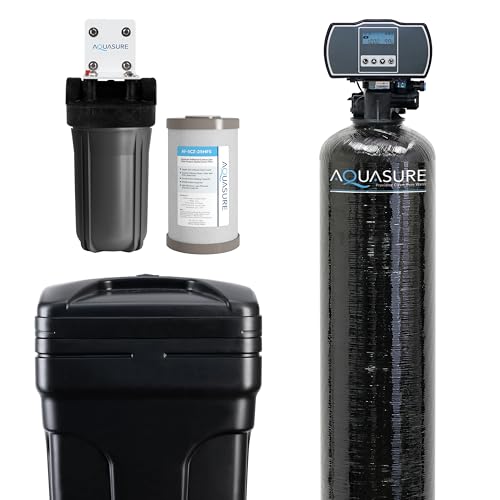
Aquasure Harmony Series 50,000 Grains Whole House Water Softener with High Performance Automatic Digital Metered Control Head with Pre-Filter
- Suitable for 3-4 Bathrooms: Treats 50,000 grains of hardness
- High-Performance Pre-Filter: Removes 99% of contaminants
- Protects Appliances: Prevents scale buildup and damage
As an affiliate, we earn on qualifying purchases.
As an affiliate, we earn on qualifying purchases.
Conclusion
Just like a delicate dance between two rivals, scaling and corrosion tug at your water system’s heartbeat. If you ignore the signs, you risk a silent, creeping foe that chips away at your pipes like a relentless tide. But with awareness and care, you can steer the rhythm back into harmony, keeping your water balance steady and strong. Stay vigilant, and let your system flow smoothly, like a river unburdened by the weight of unseen threats.

Portacool PARPACHWTB00 Hard Water Treatment
- Easy installation in cooler tank: Place strip in evaporative cooler tank
- Enhances cooler lifespan: Reduces scale buildup for durability
- Official Portacool accessory: Genuine authorized product
As an affiliate, we earn on qualifying purchases.
As an affiliate, we earn on qualifying purchases.

Lamotte Green Program Low Cost Water Monitoring Kit, Adults
- Versatile Water Testing: Tests fresh, brackish, and saline water
- Complete Testing Kit: Includes manual, color chart, apparatus, TesTabs
- Cost-Effective Learning Tool: Ideal for basic water quality education
As an affiliate, we earn on qualifying purchases.
As an affiliate, we earn on qualifying purchases.