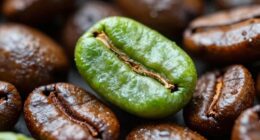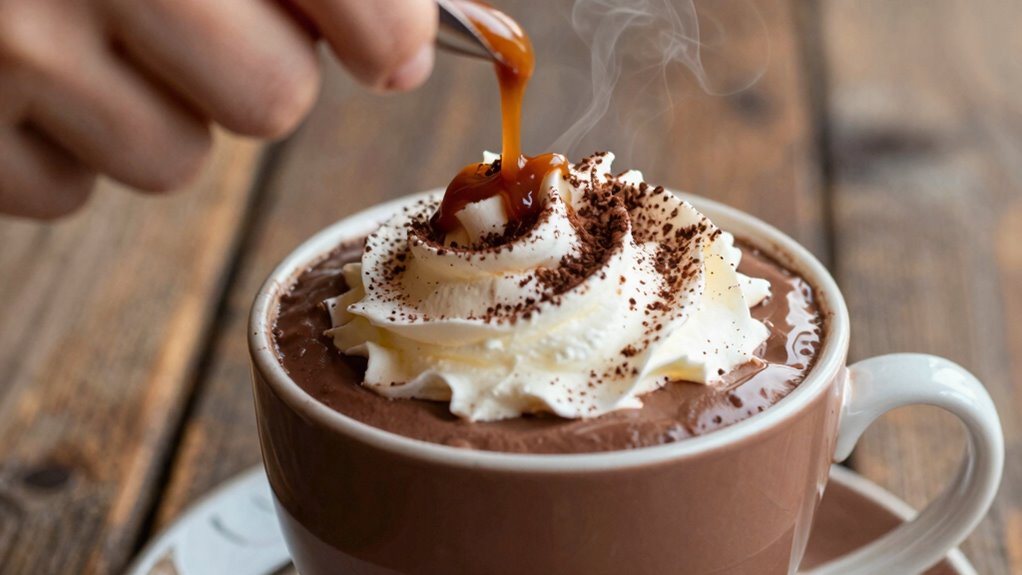

Every time you taste chocolate, the notes can change because flavor isn’t fixed; it evolves with factors like the cacao’s origin, processing methods, and your environment. Your mood, temperature, and even the setting influence how you perceive flavors, making each tasting unique. Pairings with other flavors, like citrus or nuts, can also shift perception. Understanding these variables helps explain why chocolate notes don’t mean the same thing every time—there’s much more to discover about this fluid experience.

Get kitchen gear delivered free — and shop member deals
- Fast, free delivery on millions of items
- Access to Prime Big Deal Days deals on October 6–7
- Prime Video, Amazon Music and more included
Key Takeaways
- Flavor notes are dynamic and can change based on context, pairing, and individual perception during tasting.
- External factors like temperature, environment, and mood influence how chocolate notes are perceived.
- The origin and processing of cacao create unique, evolving flavor profiles that vary between batches.
- Surface notes may mask deeper flavors, making the same chocolate taste different over time.
- Understanding chocolate as a complex, living palette enhances appreciation of its shifting flavor notes.

Have you ever wondered why different chocolates taste so distinct from one another? It’s because each chocolate carries its own unique set of notes, which can shift depending on how you experience it. When you start to explore chocolate notes, you might notice that the flavor isn’t static—it’s constantly evolving. This flavor evolution depends on many factors, from the cacao bean’s origin to how it’s processed, giving each chocolate its own story. But what might seem like a straightforward note can actually mean different things in different contexts, especially when you consider chocolate pairing. Pairing chocolate with other flavors enhances some notes while muting others, making your tasting experience fluid and dynamic. For example, a dark chocolate with fruity notes might seem bright and lively when paired with citrus, but when combined with caramel or nuts, those same notes can transform into warm, roasted flavors. This shifting is where the idea of chocolate notes becomes complex.
You might taste a particular note—say, a hint of vanilla or berry—and assume it’s a fixed element. But in reality, those notes are part of a flavor palette that can change depending on how the chocolate interacts with your palate and the surrounding environment. The way your taste buds perceive notes can vary based on temperature, the other ingredients in your pairing, or even your mood. This ongoing change is what makes understanding chocolate notes so fascinating. It’s not just about identifying a flavor and moving on; it’s about appreciating how those flavors develop and evolve with each bite. That’s why the same chocolate can taste different on different days or in different settings. It’s also why the concept of a single note can be misleading, because what you detect as a primary note might be just the surface of a more complex flavor evolution happening beneath. Recognizing that biodiversity influences cacao cultivation can deepen your appreciation for the diverse flavors found in chocolate, as it plays a crucial role in the unique flavor profile of each batch. Additionally, understanding how environmental factors impact cacao growth can help you appreciate the complexity of cacao cultivation.
Moreover, environmental conditions such as soil composition and climate can significantly alter the aroma profile of cacao, contributing to the distinctive traits of each chocolate variety. Furthermore, the way environmental conditions like soil type and climate affect cacao plants directly contributes to the distinctive flavor traits of different chocolates, making every bar a reflection of its origin. Ultimately, the idea of chocolate notes isn’t fixed. It’s a reflection of how your senses interpret a complex combination of aromas, flavors, and textures that shift over time. When you learn to pay attention to these nuances, you’ll start to see chocolate notes not as static labels but as living, breathing parts of a bigger flavor story. This understanding can elevate your tasting experience, making every piece of chocolate an adventure of discovery, where each note reveals a new layer depending on how you approach it.
artisanal dark chocolate with fruity notes
As an affiliate, we earn on qualifying purchases.
As an affiliate, we earn on qualifying purchases.
Frequently Asked Questions
How Do Chocolate Notes Impact Wine or Coffee Tasting?
Chocolate notes influence wine or coffee tasting by enhancing flavors and enriching aroma profiles. When you notice chocolate hints, it signals a potential flavor pairing that can deepen your sensory experience. These notes can amplify aroma, making each sip or sip more complex. As you explore different combinations, chocolate notes help you appreciate subtle nuances, creating a more enjoyable tasting session with added aroma enhancement and well-matched flavor profiles.
Can Chocolate Notes Influence Chocolate Price or Quality?
Chocolate notes can influence a chocolate’s price and perceived quality, especially when they highlight unique chocolate flavor profiles linked to bean origin. If a chocolate showcases distinct, rich chocolate notes from specific regions, it often commands higher prices due to its rarity and complexity. You’ll notice that bean origin markedly impacts these chocolate notes, making certain chocolates more desirable and valuable to connoisseurs seeking authentic, high-quality flavors.
Are Chocolate Notes Affected by Storage Conditions?
Think of chocolate notes as delicate whispers that can be subtly influenced by storage conditions. Yes, they’re affected—poor storage techniques and inadequate shelf stability can dull or even alter these nuanced flavors. To preserve those complex notes, keep chocolate in a cool, dry place, away from direct sunlight. Proper storage techniques guarantee your chocolate’s flavor profile stays vibrant, letting you truly savor the depth and richness it offers.
Do Different Chocolate Types Have Distinct Note Profiles?
Yes, different chocolate types have distinct note profiles because of factors like bean origin and processing methods. You’ll notice that chocolates from various regions, such as Ghana or Madagascar, offer unique flavor nuances. Additionally, how the beans are processed—fermentation, roasting, and conching—significantly influences the chocolate’s notes. So, exploring different types allows you to experience a wide range of flavor profiles shaped by these specific influences.
How Do Personal Tastes Alter Perception of Chocolate Notes?
Like a painter’s palette, your personal preferences shape how you perceive chocolate notes, altering your flavor perception. If you love fruity flavors, you’ll notice bright berry notes more vividly. Conversely, if you prefer rich, bitter tastes, you might focus on dark, roasted undertones. Your unique palate influences how you interpret chocolate’s complexity, making each tasting experience deeply personal. Embrace these differences; they make every chocolate journey uniquely yours.
chocolate tasting set with flavor notes
As an affiliate, we earn on qualifying purchases.
As an affiliate, we earn on qualifying purchases.
Conclusion
Next time you savor a piece of chocolate, imagine peeling back its layers like opening a treasure chest. Each note—whether fruity, nutty, or smoky—paints a different picture, shifting with every bite and context. Just like a painter’s palette, these flavors blend uniquely in your mouth, creating a personal masterpiece. Remember, chocolate notes aren’t fixed; they dance and change, inviting you to explore a world as rich and varied as the colors on an artist’s canvas.
pairing chocolate with citrus and nuts
As an affiliate, we earn on qualifying purchases.
As an affiliate, we earn on qualifying purchases.
temperature-controlled chocolate storage
As an affiliate, we earn on qualifying purchases.
As an affiliate, we earn on qualifying purchases.
Evergreen bestsellers Picks
bestsellers
As an affiliate, we earn on qualifying purchases.