

When you switch from washed to natural coffee, you’ll notice changes in flavor and how you dial in your espresso. Natural coffees often have more fruitiness, sweetness, and variability, which can affect extraction and make dialing in more complex. Washed beans tend to be cleaner and more predictable, simplifying adjustments. Understanding these differences helps you fine-tune grind size, brew time, and pressure more effectively, ensuring each shot highlights the unique qualities of your coffee—exploring these differences further will improve your espresso skills.
Key Takeaways
- Washed coffee offers consistent density and flavor, making it easier to dial in and predict extraction parameters.
- Natural coffee’s variability and residual sugars require more delicate adjustments during brewing.
- Processing impacts flavor profiles, with washed beans producing cleaner, brighter shots, and natural beans offering fruitier, complex notes.
- Natural processing’s uneven density affects extraction behavior, necessitating tailored grind size and brew time.
- Understanding processing differences helps optimize espresso technique for each coffee type, ensuring desired flavor and consistency.
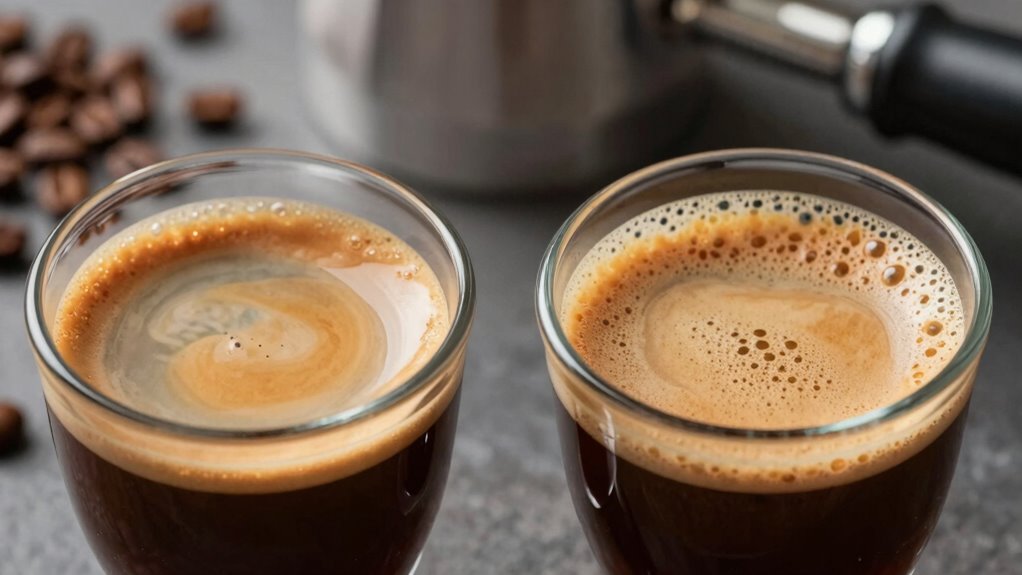
When choosing between washed and natural coffee, understanding their differences can considerably impact your brewing experience. These distinctions primarily influence flavor profiles and the processing impact on the beans, which in turn affects how you should approach dialling in your espresso. Washed coffee undergoes a meticulous cleaning process that removes most of the fruit before drying, resulting in a cleaner, brighter cup. Natural coffee, on the other hand, is dried with the fruit still attached, allowing the bean to absorb more of the fruit’s sugars and other compounds. This processing difference creates notable variations in flavor profiles. With washed beans, expect a more crisp, acidic, and often more balanced flavor, highlighting clarity and brightness. Natural beans tend to produce a fruitier, sweeter, and sometimes more complex cup, with pronounced berry and fermentation notes.
Understanding the processing impact helps you anticipate how these coffees will behave during extraction. Washed coffees typically have a more uniform density, which makes them more predictable when dialing in espresso. They tend to extract evenly, allowing you to fine-tune parameters like grind size, dose, and pressure with greater consistency. Natural coffees, however, often present more variability because of their uneven density and the residual sugars and acids from the fruit. This means you might need to adjust your grind size or brew time more carefully to avoid over-extraction or under-extraction. The fruity and fermentative qualities of natural coffees can also cause the extraction to be more sensitive to minor changes, requiring a more attentive approach to achieve the desired flavor. Consistent quality in processing can significantly simplify the dial-in process and improve your overall espresso experience.
Your choice influences not just the taste but also your espresso setup and technique. With washed beans, you’ll generally find it easier to achieve a clean shot with clarity, making it ideal if you prefer a more straightforward, bright profile. Natural coffees demand a more delicate touch; they may need a slightly coarser grind or shorter brew time to prevent overpowering fruitiness or muddiness. Understanding these processing impacts allows you to adapt your dial-in process accordingly, ensuring that the unique characteristics of each coffee shine through. By recognizing how processing impacts flavor profiles, you can better tailor your extraction parameters, making every shot more precise and tailored to the beans’ inherent qualities. Ultimately, knowing these differences enhances your ability to craft espresso that highlights the distinct nuances each coffee offers.
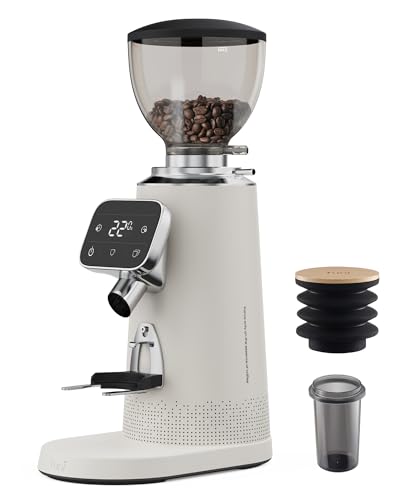
Tuni G3 Commercial 64mm Flat Burr Coffee Grinder, 100 Grind Settings, Ivory
- 64mm Stainless Steel Flat Burrs: Ensures fast, uniform grinding with aroma preservation
- 100 Adjustable Grind Settings: Fine-tune grind size from espresso to French press
- Stepless Adjustment Ring: Smooth, precise grind size control
As an affiliate, we earn on qualifying purchases.
Frequently Asked Questions
How Does Altitude Affect Washed and Natural Coffee Processing?
Altitude effects both washed and natural coffee processing by influencing bean development and moisture content. Higher elevations typically produce denser beans with complex flavors, benefiting washed processing through cleaner profiles. Natural processing at altitude can intensify fruit-forward notes, but may also pose drying challenges. You’ll find that altitude impacts processing differences by affecting fermentation rates, drying times, and ultimately, the flavor nuances in your espresso, making it essential to contemplate elevation when dialing in your coffee.
Can I Mix Washed and Natural Beans in One Espresso Shot?
Mixing washed and natural beans in one espresso shot is like blending two symphonies—if their melodies are compatible. You can try it for flavor blending, but be conscious of bean compatibility; differences in processing can create uneven extraction and muddled flavors. Experiment carefully, and consider dialing in each bean type separately before combining them, to ensure a harmonious balance that highlights the best of both worlds.
What Are the Environmental Impacts of Each Processing Method?
You might not realize it, but washed coffee processing generally has higher water consumption, impacting water conservation efforts. On the other hand, natural processing typically uses less water, making it more eco-friendly. Both methods can support sustainable farming, but washed processing often requires more energy and water, which can strain local resources. Choosing natural processed coffee helps reduce environmental impact, aligning better with eco-conscious practices.
How Do Storage Conditions Influence Flavor in Washed Vs Natural Beans?
A touch of finesse can considerably influence your beans’ journey. You’ll want to pay close attention to storage humidity, as it subtly affects fermentation effects that shape flavor. Proper storage ensures natural beans don’t acquire off-notes from excess moisture, while washed beans remain vibrant and consistent. By maintaining a controlled environment, you preserve the desired profile, allowing each roast to reach its full aromatic potential.
Are There Specific Brewing Techniques Better Suited for Each Coffee Type?
You should tailor your brewing methods to each coffee type to enhance their flavor profiles. For washed beans, opt for pour-over or espresso techniques that highlight clarity and brightness. Natural beans benefit from methods like French press or Aeropress, which accentuate their fruity, full-bodied qualities. Experiment with grind size and extraction time, and you’ll discover which brewing methods best express the unique characteristics of each coffee type.

SHARDOR 64mm Flat Burr Coffee Grinder, 100 Settings, Anti-Static, Black
- Burr Size: 64mm flat burr for uniform grinding
- Adjustable Settings: 100 grind size options for versatility
- Durable Chamber: All-metal grinding chamber for longevity
As an affiliate, we earn on qualifying purchases.
Conclusion
Ultimately, choosing between washed and natural coffee is like selecting a brushstroke for your masterpiece—each brings a different flavor landscape to your espresso. As you dial in your shot, remember that the process shapes the story in your cup. Whether you prefer the clarity of washed or the fruit-forward complexity of natural, your choice sets the tone for every sip. So, embrace the journey—your perfect espresso awaits, painted vividly with every decision you make.

MOKKOM Professional 64mm Flat Burr Coffee Grinder with 100 Grind Settings, All-Metal Stainless Steel Body, Coffee Bean Grinder with Adjustable Electronic Timer, Anti-Static, LED Display
- 64mm Stainless Steel Burrs: Ensures uniform grind size for rich flavor
- 100 Grind Settings: Adjustable for various brewing methods
- All-Metal Construction: Stainless steel body for durability and stability
As an affiliate, we earn on qualifying purchases.
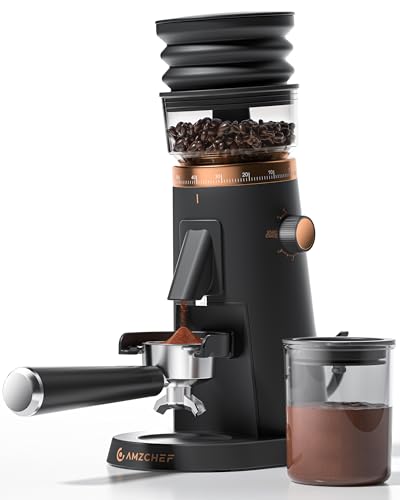
AMZCHEF 75-Setting Single Dose Coffee Grinder, 40mm Burr, <0.2g Retention
- Stepless Grind Settings: 75 ultra-fine adjustments for precision
- Professional 40mm Burrs: Ensures uniform extraction and flavor
- Magnetic Outlet & Low Retention: Less than 0.2g residual coffee
As an affiliate, we earn on qualifying purchases.