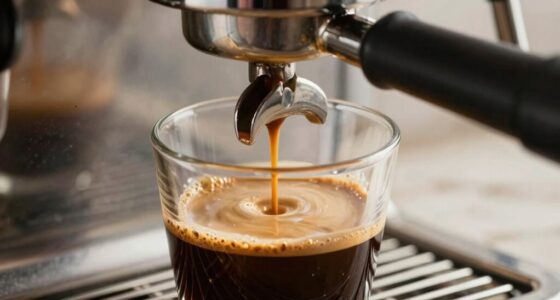
Even when you use the same ratio, your coffee can taste different day to day because factors like ingredient freshness, environmental conditions, and brewing consistency constantly change. Fresh ingredients release more vibrant flavors, but they degrade over time, affecting taste. Environmental factors like humidity and temperature can alter brewing results. Small tweaks in water temperature or brew time also make a difference. To understand how to keep your coffee consistent, keep exploring the science behind these influencing elements.

Get kitchen gear delivered free with Prime
- Fast, free delivery on millions of items
- Prime Video, Amazon Music and more included
- Member-only deals all year
Key Takeaways
- Ingredient freshness varies daily, affecting flavor intensity regardless of consistent ratios.
- Environmental factors like humidity and temperature influence ingredient quality and extraction.
- Slight changes in brewing conditions can significantly alter flavor outcomes.
- Degradation of ingredients over time reduces potency, impacting taste even with the same ratio.
- External conditions and ingredient stability are less predictable but crucial for consistent flavor.
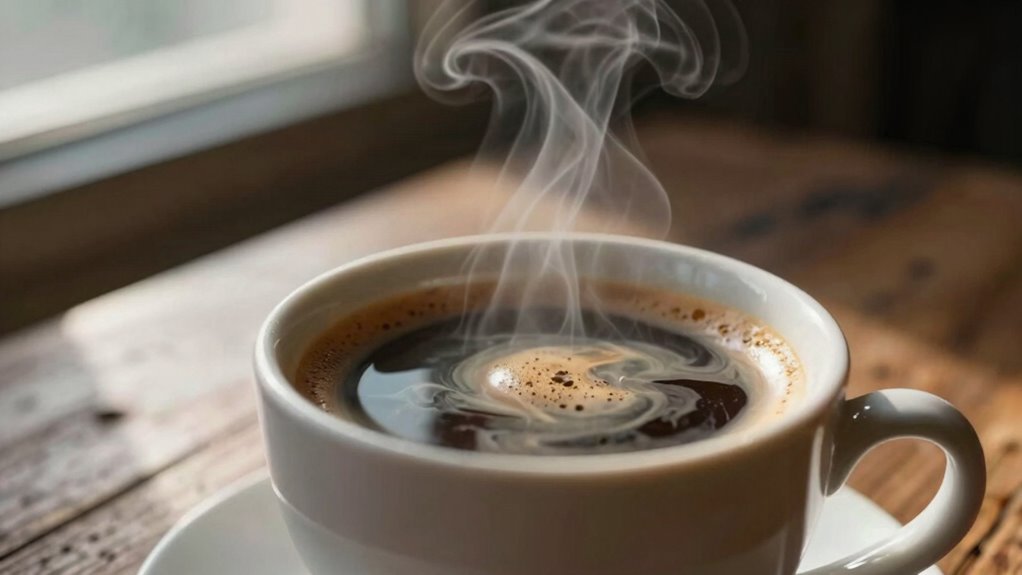
Have you ever noticed that your favorite coffee tastes slightly different from one day to the next, even when you use the same ratio of ingredients? This isn’t just in your head—several factors influence flavor, making each brew unique. One of the biggest reasons is the challenge of maintaining flavor consistency. Even if you measure everything precisely, slight variations in ingredient freshness and environmental conditions can alter the final taste.
Ingredient freshness plays a vital role in flavor perception. Fresh ingredients, whether it’s coffee beans, spices, or milk, contain more volatile compounds that give them vibrant, full-bodied flavors. Over time, these compounds degrade or evaporate, leading to a duller, less aromatic taste. For example, if your coffee beans sit on the shelf longer or are exposed to air, they lose their essential oils and aroma, resulting in a weaker brew despite using the same measurement. The same applies to other ingredients like dairy or flavor extracts—if they aren’t fresh, their flavors won’t pop as expected.
Fresh ingredients retain more vibrant flavors; stale ones lose aroma and potency, affecting taste even with precise measurements.
Environmental factors also influence flavor consistency. Temperature, humidity, and even air quality can impact how ingredients behave during brewing or cooking. Higher humidity, for example, can cause coffee beans to absorb moisture, which alters their grind and extraction process. This can lead to a cup that’s either over- or under-extracted, changing the taste even if you follow your usual recipe. Similarly, water temperature and mineral content can vary daily, affecting how ingredients dissolve and release flavor compounds. Ingredient freshness can be further affected by storage conditions, which play a crucial role in maintaining the quality of your ingredients over time. Additionally, fluctuations in ambient environmental conditions can subtly influence the overall flavor profile of your brew. Recognizing the impact of ingredient quality on flavor consistency can help you make adjustments to improve your results. Moreover, understanding the science behind caffeine extraction can help you fine-tune your brewing process for more consistent flavors. Paying attention to storage conditions can help preserve ingredient freshness and ensure more reliable results over time.
The brewing process itself isn’t immune to variations. Slight changes in water temperature, brew time, or agitation can influence extraction. Even if you use the same ratio, these tiny differences can lead to noticeable flavor shifts. That’s why maintaining consistent brewing conditions is so important for flavor consistency. But even then, ingredient freshness remains a key factor—no amount of precision can compensate for stale or degraded components.
Ultimately, your taste experience depends on a delicate balance of factors. While you can control your measurements and brewing techniques, ingredient freshness and environmental conditions are less predictable but equally impactful. Recognizing this helps you understand why your favorite drink might taste different from one day to the next. To get the most consistent flavor, focus on using fresh ingredients and brewing under stable conditions. Doing so ensures that your carefully measured ratios translate into a reliably delicious experience, no matter the day.
As an affiliate, we earn on qualifying purchases.
Frequently Asked Questions
How Does Ambient Temperature Affect Taste Perception?
Ambient temperature affects your taste perception by altering sensory adaptation, making flavors seem more or less intense. When it’s warmer, your taste buds may become less sensitive, reducing flavor perception and affecting flavor consistency. Conversely, colder temperatures can heighten your senses, making flavors seem stronger. This fluctuation impacts your overall tasting experience, causing the same ratio of ingredients to taste different from day to day, depending on the environment’s temperature.
Can Mood Influence How We Perceive Flavor Ratios?
Ever wonder if your mood secretly hijacks your taste buds? It does! Your emotional state influences flavor perception through sensory adaptation, making the same ratio seem wildly different depending on your day. When you’re happy, you might find bitterness unbearable; when stressed, sweetness feels overwhelming. So, next time your favorite snack tastes off, blame your mood — your senses are adapting to your emotional rollercoaster.
Do Different Utensils Change Taste Experience?
Yes, different utensils can change your taste experience. The material of your utensil, like metal or plastic, influences how flavors are perceived, with metal sometimes adding a metallic taste. The serving vessel also matters; a wider bowl can enhance aroma, while a narrow one might focus it. These subtle differences affect how your palate interprets flavors, making each tasting experience unique even with the same ratio.
How Does Hydration Level Alter Flavor Perception?
Hydration levels considerably impact your flavor perception because they alter saliva composition and taste receptor sensitivity. When you’re well-hydrated, your saliva is more effective at dissolving flavors, making tastes more vibrant. Conversely, dehydration reduces saliva flow, dulling taste receptor sensitivity and muting flavors. So, staying hydrated helps your taste buds work best, allowing you to fully enjoy the nuances of different foods and beverages.
Does Time of Day Impact Taste Sensitivity?
Yes, the time of day impacts your taste sensitivity. Your taste buds are more active at certain times, especially in the morning, making flavors seem more intense. Throughout the day, flavor adaptation occurs as your taste buds become less sensitive, which can dull your perception. This fluctuation influences how you experience taste, meaning foods might taste stronger or milder depending on when you eat, based on your taste buds’ activity.
coffee storage airtight container
As an affiliate, we earn on qualifying purchases.
As an affiliate, we earn on qualifying purchases.
Conclusion
Understanding why the same ratio tastes different each day helps you appreciate the subtle influences of factors like humidity, temperature, and ingredient freshness. Did you know that even a 1% change in humidity can alter flavor perception considerably? So, next time your favorite recipe tastes off, remember it’s not just you — the environment and your ingredients are constantly shifting. Embrace these variations; they’re part of what makes cooking both challenging and exciting.
digital water thermometer for coffee
As an affiliate, we earn on qualifying purchases.
As an affiliate, we earn on qualifying purchases.
coffee grinder with adjustable grind size
As an affiliate, we earn on qualifying purchases.
As an affiliate, we earn on qualifying purchases.
Fall Picks
fall essentials
As an affiliate, we earn on qualifying purchases.